

INTEGRATIVE WELLNESS

I started this journey as a Certified Integrative Nutrition Health Coach, passionate about helping others build health from the inside out. That path led me to working alongside people undergoing chemotherapy, a moment when focusing on health matters more than ever. It only made sense to bring my health and wellness mission here, encouraging healthy habits alongside cancer treatment.
I take a practical, holistic approach to health and wellness, one that puts the individual first and looks for the root of the issue rather than fixating on "the diet." One size does not fit all, and being healthy is about far more than what's on your plate. Restrictive diets are difficult, often impossible, to maintain long-term, and the rules behind them rarely reflect what the science on nutrition and cancer prevention actually shows.
A healthy lifestyle can help lower the risk of chronic conditions like heart disease and type 2 diabetes, and it supports the kind of overall resilience and strength that matters most when your body is already working hard through treatment. That's the foundation I help build and encourage: practical nutrition, movement, and daily habits tailored to where you are right now.
GETTING READY FOR CHEMOTHERAPY
Adequate hydration and healthy eating are important patterns to follow before you begin chemotherapy. Anyone who has worked with me will tell you that I preach hydration... hydration... hydration! Hydration bathes the cells and removes the byproducts of cellular respiration, flushes chemotherapy through the body, and provides an environment for calories and protein to support the rebuilding of red and white blood cells. Cell regrowth is essential to keeping treatment on schedule. Your body is composed of approximately 60% water and uses water for proper cellular, organ, and tissue function. Dehydration increases chemotherapy, heightens side effects, causes nausea, fatigue, and taste changes, and increases the likelihood of constipation. It is often difficult to separate the effects of chemotherapy from symptoms of dehydration. Getting adequately hydrated before each treatment and staying hydrated during your treatment can save you from many unpleasant side effects.
Healthy eating is another priority to focus on. Eating calories in small meals or large snacks, five to six times a day, may help you feel better and allow you the nourishment you need. This may also make it easier for you to get your calories in and help support your current weight throughout treatment, and it also fosters better bowel regularity. Try to include a protein source at all meals and snacks. Calories support protein, which supports the rebuilding and regrowth of cells between treatments. Also, aim for 5-10 servings of fruits and vegetables daily. These are sometimes most appealing during treatment, build immunity, and will help prevent constipation.
Avoid foods higher in fat leading up to treatment as they can slow digestion and add to the symptoms associated with treatment. Constipation is an unpleasant common side-effect of medications that prevent nausea during treatment. Smaller amounts of food will process better than three larger meals. If you already deal with constipation, discuss this with your dietitian, nurse, or doctor before starting treatment.
Establishing healthier eating patterns in the weeks and days leading up to and throughout chemotherapy treatments will provide the best outcomes. Adequate hydration and frequent, smaller portions of healthy eating are your defense against chemotherapy side effects and will help fight fatigue.
Phytonutrient-Rich Foods
Phytochemicals, also called phytonutrients, are the potentially helpful compounds found in plant foods. They may help prevent chronic diseases, including cancer.
Aim for 5-10 servings per day of Phytonutrient-Rich Foods -
- One serving =
- 1 cup leafy greens, berries, or melon
- 1/2 cup of other fruits/vegetables
- 1 medium piece of fruit/vegetable (such as apple or tomato)
Red
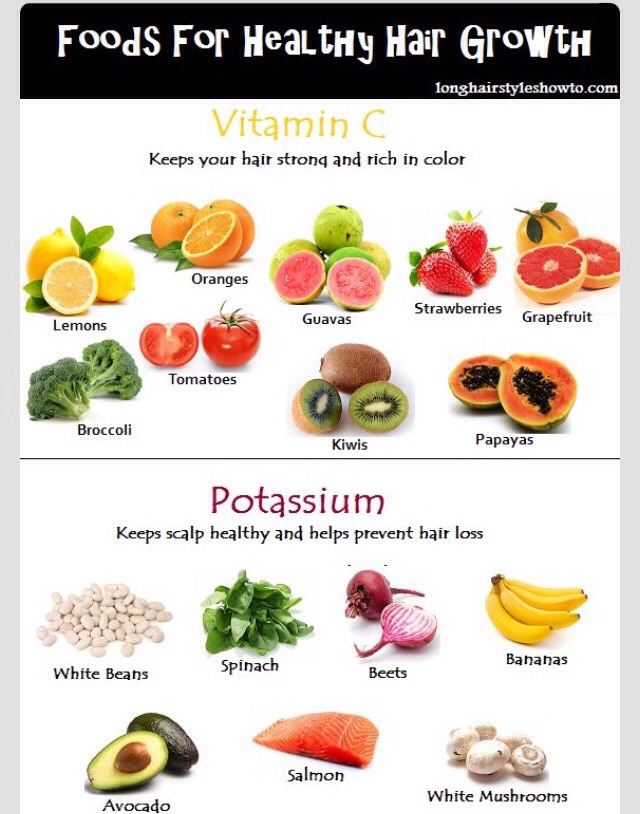
Apples / Cherries / Tomatoes / Beets / Red Peppers / Red Grapes / Raspberries / Strawberries / Pomegranate / Watermelon / Cranberries / Radishes
Yellow & Orange
Banana / Cantaloupe / Carrots / Lemon / Mango / Oranges / Papaya / Peaches / Pumpkin / Butternut or Acorn Squash / Spaghetti Squash / Sweet Potatoes / Tangerine / Turmeric
Green
Asparagus / Avocados / Bok Choy / Broccoli / Brussels Sprouts / Cabbage / Cilantro / Collard Greens / Leafy Greens / Kale / Kiwi / Lettuce / Parsley / Peppers / Spinach / Artichokes
Blue & Purple
Blackberries / Blueberries / Eggplant / Plums
White
Cauliflower / Onions / Garlic / Ginger / Flaxseed
Other
Teas / Legumes / Nuts / Beans / Soy Products / Whole Grains
*MORE HEALTHY TIPS TO COME - THANK YOU FOR YOUR PATIENCE*

“Good nutrition helps build the foundation for wellness. Nutrition extends beyond food; it is all the things that nourish our bodies. Nourishment comes from primary foods of life, including spirituality, career, physical activity, and relationships.”